If you want mountain-town living without feeling packed in, Heber City deserves a closer look. You may be searching for more space, easier day-to-day living, or a home base that keeps you close to both outdoor recreation and everyday essentials. In Heber, you get a growing full-time community, a historic town center, and access to water, trails, and ski country without a resort-heavy pace. Let’s dive in.
Why Heber City Feels Different
Heber City sits in Heber Valley in Wasatch County, with roots that go back to 1858 and 1859. The city changed its name to Heber City in 1862 and incorporated in 1889, which helps explain why the town still carries a strong sense of history today. U.S. Highway 40 runs right through the center of town, which keeps Heber connected while preserving its own local identity.
The city is also growing. U.S. Census QuickFacts estimates Heber City’s population at 19,651 as of July 1, 2025, up from 16,856 in the 2020 Census. Within just 8.99 square miles of land area, that growth points to a place that is gaining attention while still holding onto its valley setting.
What stands out most is the balance. Heber offers mountain views and open skies, but it also functions as a real hometown with parks, schools, local businesses, and a strong ownership base. QuickFacts reports an owner-occupancy rate of 81.8%, which signals a community shaped largely by full-time residents rather than short-term turnover.
Outdoor Access Shapes Daily Life
In Heber, outdoor recreation is not just a weekend plan. It is part of the rhythm of daily life, with water, trails, and winter sports all close at hand. If you want a place where getting outside feels easy and natural, this valley has a lot to offer.
Reservoirs and River Time
Deer Creek State Park is one of the area’s signature amenities. Official tourism and state recreation sources describe it as a destination for boating, sailing, waterskiing, fishing, camping, and beach access. For many buyers, that kind of proximity adds a very real lifestyle benefit that goes beyond the view from the house.
The Provo River is another defining part of the area. Heber Valley tourism describes more than 15 miles of angling access in the valley and notes opportunities for rafting, tubing, and kayaking as well. If your ideal home base includes easy access to water without giving up mountain scenery, Heber checks a rare box.
Jordanelle State Park adds another nearby reservoir option above the valley in Wasatch County. Together, Deer Creek, the Provo River, and Jordanelle create a strong outdoor network that supports a four-season lifestyle. That range helps Heber appeal to buyers who want recreation close by without planning every outing around a resort schedule.
Winter Access Without Resort Density
Heber Valley tourism positions the area as a ski base between Deer Valley East Village, Deer Valley Snow Park, Park City Mountain Resort, and Sundance. That matters if you want to be near major winter destinations while living in a more residential setting. You can stay connected to ski season without being in the middle of a resort core every day.
Soldier Hollow and Wasatch Mountain State Park extend the season even further. These destinations support cross-country skiing, snowshoeing, tubing, hiking, mountain biking, golf, and camping, which helps keep the area active year-round. Soldier Hollow also carries the legacy of the 2002 Winter Games, having hosted biathlon, Nordic combined, and cross-country skiing events.
A Historic Core With a Real Community Rhythm
One of Heber City’s biggest strengths is that it does not feel manufactured. Its historic identity is not just a branding exercise or a themed streetscape. The city’s Historic Preservation Commission and recent Old Town survey work reflect an active effort to preserve a place that is considered one of Utah’s most significant historic communities.
That effort shows up in the city’s long-range planning too. Envision Heber 2050 emphasizes preserving the historic core’s rural feel, retaining irrigation-ditch character where possible, and encouraging reinvestment, infill, walkability, and dark-sky lighting over auto-oriented strip development. For buyers who care about how a town grows, that is an important signal.
Main Street Still Matters
Main Street Park sits in the center of town and plays an outsized role in local life. The city’s parks planning describes it as the community’s “living room,” and it regularly hosts Market on Main and Concerts in the Park. That kind of civic use gives downtown a steady, neighborhood-scale rhythm that can be hard to find in faster-growing mountain markets.
Heber City also maintains nine parks, which adds to the town’s everyday livability. Instead of relying on one central amenity, the city offers multiple public spaces that support recreation, gatherings, and day-to-day use. For many households, that practical layer matters just as much as headline recreation.
Local Flavor Over Big-City Buzz
The dining scene in Heber feels local and approachable rather than oversized or overbuilt. The official Heber Valley dining directory includes names like Dairy Keen, The Bagel Den, The Hub, Ritual Chocolate, Heber Valley Brewing Company, and Jade’s Cafe. The mix suggests a casual, independent food scene that fits the valley’s pace.
The Heber Valley Railroad adds another layer of character. Tourism sources describe it as Utah’s only historic railroad, running through agricultural lands, across the Provo River, and along Deer Creek Reservoir. It is the kind of amenity that reinforces a sense of place instead of competing with it.
Housing in Heber City Offers More Range
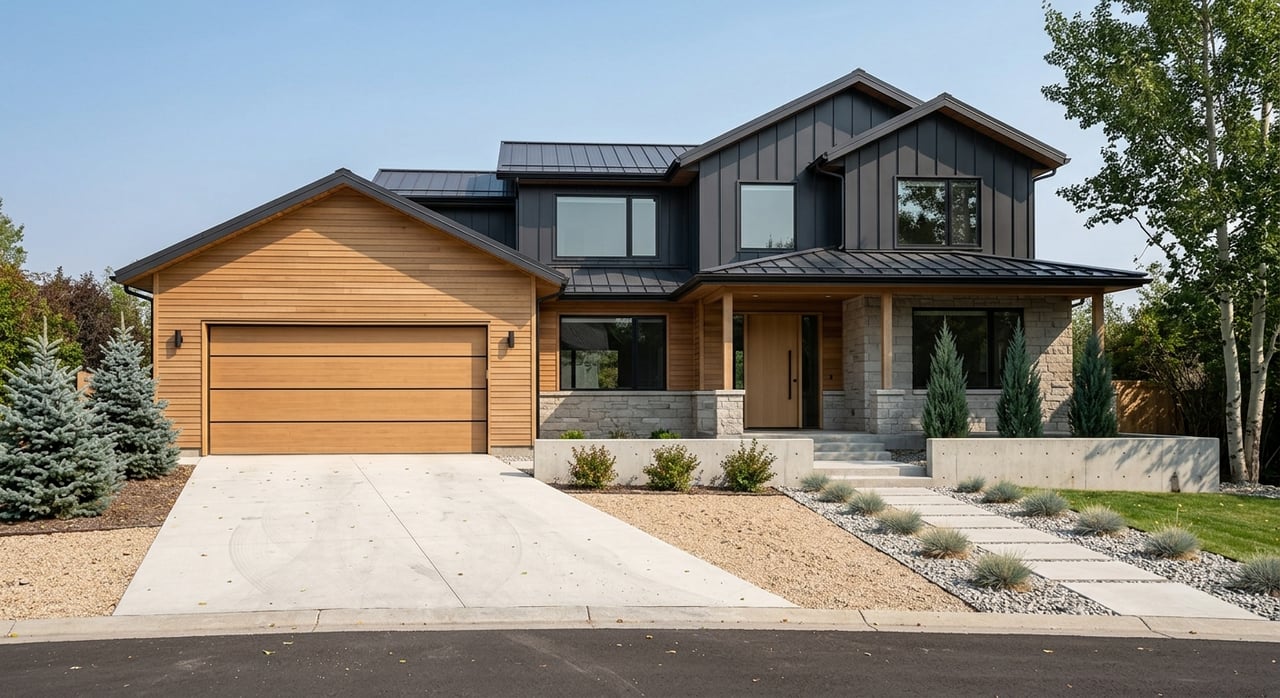
If you picture Heber as only a town of standard single-family homes, the city’s planning framework tells a broader story. Heber’s zoning districts can include commercial, residential, and mixed uses, and the North Village overlay anticipates single-family detached homes, townhouses, apartments, condominiums, live/work units, and rural residential clusters that preserve open space. That creates more housing variety than many buyers expect.
For someone relocating from a denser area or comparing options around Park City, this matters. You may be able to find a property type that fits your lifestyle while still enjoying Heber’s open setting and outdoor access. In practical terms, that can mean more flexibility in how you live and how much elbow room you keep.
Growth With Open Space in Mind
The North Village overlay also shows how Heber wants growth to look. It describes compact residential neighborhoods, shared open space, trail connections, and rural-appearance streetscapes. In the rural residential cluster model, homes can be concentrated on one part of a parcel while the rest stays open for visual relief, habitat, trails, and equestrian or mountain-biking use.
The city’s broader planning goals follow the same theme. Heber says its zoning code is designed to preserve scenic vistas, environmentally sensitive lands, and historic structures while supporting well-planned growth. The city’s open-space, trails, parks, and trees committee also states that preserving rural character remains a priority as development continues.
Who Heber City Often Fits Best
Heber tends to make sense for buyers who want a more residential mountain-valley base. Based on the city’s demographics, housing mix, school access, and recreation network, it often appeals to relocating families, outdoor-first full-time residents, and buyers who want more room than they may find in more resort-focused settings. That is not a formal city market study, but it is a practical takeaway from the available data.
QuickFacts helps support that picture. Heber’s 81.8% owner-occupancy rate, $654,200 median value for owner-occupied homes, and $110,339 median household income point to a market with a strong ownership culture and a substantial full-time resident base. If you are looking for a place that feels lived in year-round, those numbers matter.
Schools and Everyday Convenience
For households thinking long term, school access is often part of the conversation. Wasatch County School District serves Heber and nearby communities, and its official school listings in Heber include Wasatch High School, Rocky Mountain Middle School, Wasatch Learning Academy, and Old Mill Elementary. That local infrastructure supports the sense that Heber functions as more than a getaway destination.
This is one reason Heber can appeal to people who want lifestyle and practicality together. You are not choosing between recreation and routine. In many cases, you can have both in the same place.
Heber vs. Park City: A Useful Comparison
If you are comparing Heber with Park City, the clearest distinction is pace. Park City’s official visitor information highlights Deer Valley, Park City Mountain, and a large trail network, while Heber Valley tourism markets Heber as a convenient base for many of those same mountain amenities. Heber is less about resort density and more about a residential valley experience with direct access to reservoirs, river recreation, and nearby ski venues.
That difference can be meaningful depending on your goals. If you want a primary home with more breathing room and a less concentrated day-to-day environment, Heber may feel more natural. If your priority is being in the center of a resort setting, your search may point elsewhere.
For many buyers, the answer is not about one place being better. It is about finding the setting that matches how you actually want to live. Heber stands out because it offers access, space, and community in one package.
If you are exploring Heber City, Midway, or the broader Park City area, the right guidance can help you compare lifestyle, property type, and long-term fit with more clarity. For a tailored look at mountain homes, valley properties, and the communities that connect them, connect with Selling the Slopes.
FAQs
What is Heber City known for in Wasatch County?
- Heber City is known for its location in Heber Valley, historic town center, access to Deer Creek State Park, the Provo River, nearby Jordanelle State Park, and its role as a residential mountain-valley base near major ski destinations.
What is the population of Heber City, Utah?
- U.S. Census QuickFacts estimates Heber City’s population at 19,651 as of July 1, 2025, up from 16,856 in the 2020 Census.
What kinds of homes are found in Heber City?
- Heber City’s planning and zoning framework allows for a mix of single-family detached homes, townhouses, apartments, condominiums, live/work units, and rural residential clusters designed to preserve open space.
What outdoor recreation is near Heber City?
- Nearby recreation includes boating, fishing, sailing, waterskiing, camping, and beach access at Deer Creek State Park, river access along the Provo River, reservoir recreation at Jordanelle, and year-round activities at Wasatch Mountain State Park and Soldier Hollow.
Is Heber City more residential than resort-focused?
- Yes. Census and city planning data suggest Heber has a strong full-time resident base and ownership culture, which supports its reputation as a more residential alternative to more resort-dense mountain markets.
What schools serve Heber City residents?
- Wasatch County School District serves Heber and nearby communities, and official school listings in Heber include Wasatch High School, Rocky Mountain Middle School, Wasatch Learning Academy, and Old Mill Elementary.