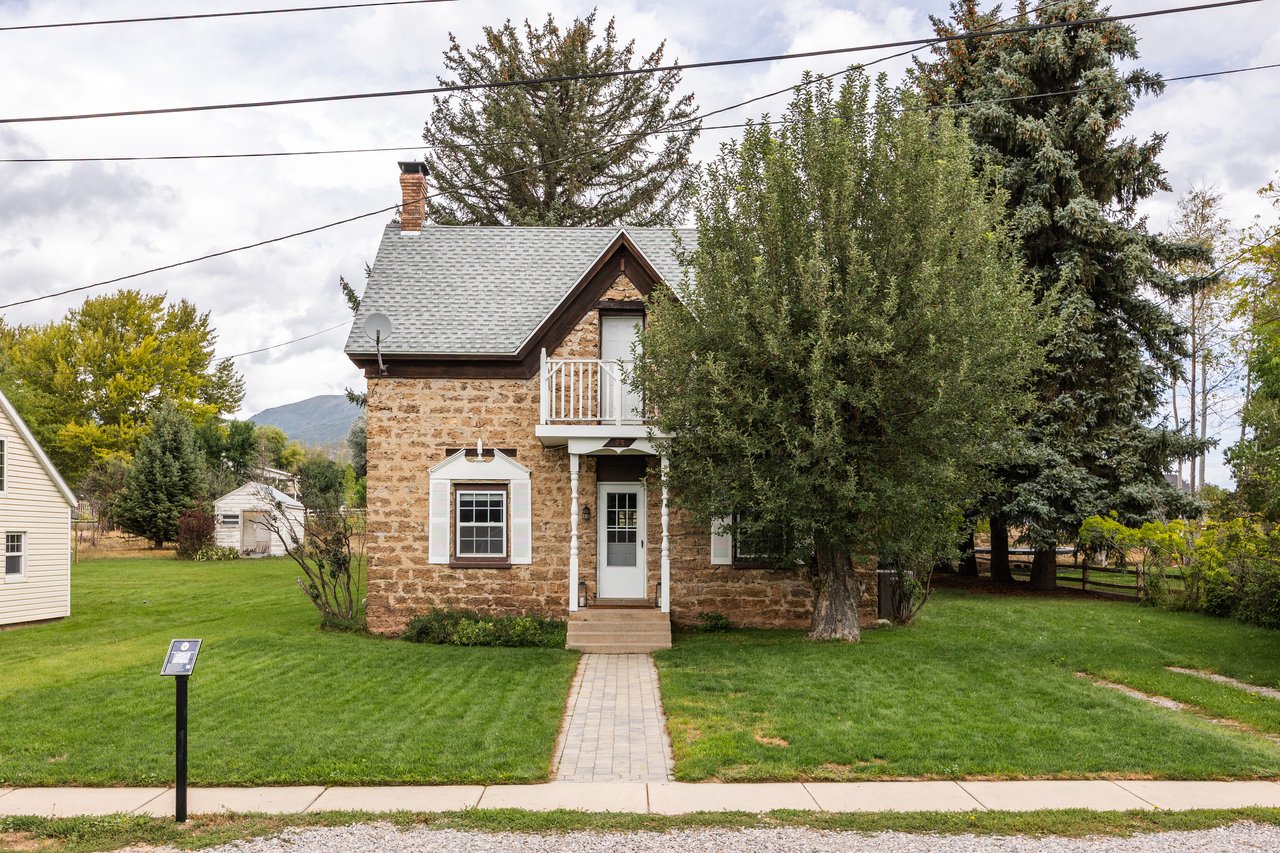
Are you picturing a place in Midway where you can slip away for long weekends, gather family through the seasons, and maybe offset some costs with rental income? That idea is easy to understand here. Midway blends mountain recreation, small-town events, and a well-established visitor economy, but the right second-home strategy depends on how you plan to use the property. This guide will help you think through whether your best fit is a private retreat, a short-term rental, or a mix of both. Let’s dive in.
Why Midway Works for Second Homes
Midway has the ingredients many second-home buyers want in one place. The city describes itself as a small rural community in the Wasatch Back, and its visitor offerings highlight golf, hiking, ski slopes, cycling, farms, and local shops. That mix supports both quiet personal use and steady interest from visitors throughout the year.
The town also has an established hospitality identity. Midway’s visitor materials point to a range of accommodations, from mountain resorts to bed and breakfasts, along with lodge-style stays. For you as a buyer, that means a second home here can fit naturally into a market where vacation use is already part of the local rhythm.
Midway’s Four-Season Appeal
A second home tends to work best when you want to use it often, not just once or twice a year. Midway’s activity base stretches across the calendar, which helps explain its lasting appeal. In warmer months, the city promotes golf, hiking, biking, farms, and shopping, while Wasatch Mountain State Park adds camping, horseback riding, and more outdoor recreation.
Winter keeps the area active as well. Soldier Hollow brings cross-country skiing, tubing, and biathlon, and the city’s Town Square ice rink typically runs from Thanksgiving weekend through March 15, weather permitting. If you want a home that feels useful across multiple seasons, Midway checks that box.
Events also shape how owners use their homes. Town Square hosts annual gatherings such as Memorial Day, the Fourth of July, the Plein Air Artists Festival, Christmas lighting, and summer concerts. Swiss Days, scheduled for September 4 and 5 in 2026, is one of the town’s signature events and adds to the sense that Midway is a place families return to year after year.
Retreat, Rental, or Both?
For most buyers, the clearest starting point is this question: Do you want a personal mountain retreat first, or do you want short-term rental flexibility from day one? Your answer affects not just the property you target, but also the level of diligence you need before closing.
If your priority is personal use, the path is usually simpler. You can focus on layout, privacy, access, seasonal enjoyment, and how the home supports your lifestyle. In many cases, that means fewer operational layers and fewer compliance steps.
If you want to rent the home nightly, even part time, the picture changes. Midway’s rules create a defined compliance framework, and that framework matters well before you list a property for rent. In practice, a hybrid plan can work, but it requires more upfront verification and ongoing management.
A Personal Retreat Strategy
If you are buying mainly for your own use, Midway offers a strong case for a true second-home retreat. The town’s year-round recreation, recurring events, and visitor-friendly setting support the kind of ownership that feels rewarding even without rental income. Many buyers are drawn to the idea of a place they can use for ski weekends, summer escapes, and family traditions.
This approach also gives you more freedom to prioritize how the home lives. You may care more about guest bedrooms, outdoor gathering space, garage storage, or easy access to trails, golf, or winter recreation than about maximizing occupancy. That can open up more options, especially if rental use is not part of your plan.
There is another practical advantage. Midway has stated that once a property is licensed and used as a short-term rental, the city’s compliance framework applies regardless of whether you or guests are using the home. If you want the simplest ownership experience, a personal-use-only strategy can be appealing.
A Hybrid Use Strategy
A hybrid approach can make sense if you want meaningful personal use and the option to rent the home at select times. That is often attractive to second-home buyers who want flexibility rather than a full-time rental operation. The key is knowing that flexibility in Midway is not automatic.
The more important nightly rental use is to you, the more carefully you need to screen each property. Midway’s current business guide says nightly rentals require a current city business license, a property manager licensed with the city, and location within the Transient Rental Overlay District, or TROD. If a property is in the TROD but outside the Resort or Commercial Zones, it must also obtain a conditional use permit.
That means the same beautiful home can be a great retreat but a poor hybrid candidate if it does not fit the city’s rental framework. Parcel-specific verification matters. So do private restrictions, especially in condo, townhome, or other shared-access settings.
Property Types Matter More Than You Think
Midway’s housing base includes single-family vacation homes, multi-family vacation homes, condominiums, and units tied to commercial lodging. That variety is a strength for buyers because it creates different ownership styles and price points. It also means your rental goals may line up better with some property types than others.
Detached homes may offer more privacy and easier family use, but they still need zoning and licensing review if you want to rent. Condos and shared-wall properties may look convenient, especially near resort-oriented areas, yet they often require extra diligence. Midway’s code says a short-term rental must not be prohibited by zoning or private CC&Rs, and some shared-access or multi-family properties require written consent from affected owners before licensing.
If your plan includes rental use, you should never assume a property is eligible because another unit nearby has rented in the past. The details can vary by parcel, project, and ownership structure. That is where local guidance becomes especially valuable.
What Midway Requires for Nightly Rentals
Midway’s nightly rental rules are detailed, and they affect both convenience and cost. Before a unit can operate, the property must be inspected by building, fire, and health departments. The home must also post a city-approved exterior plaque with a 24/7 manager phone number and display interior rules plus emergency shut-off information.
The city also requires compliance with dark-sky lighting rules. Advertising must match the approved occupancy, which is an important point if you are relying on photos and marketing to support demand. In other words, this is not a casual setup where you simply furnish the home and start booking guests.
Responsibility also stays close to the owner. Midway’s current application says each property may have only one short-term rental unit, and both the owner and the property manager are jointly liable for violations. The code applies even when you are using the property personally or hosting nonpaying guests.
Occupancy, Parking, and Real-Life Use
For second-home buyers, the operational rules matter because they shape how the home works for both family stays and guests. Midway caps occupancy at two people per designated bedroom plus two additional people per residence, with a maximum of 14 people total. That may sound generous, but it can affect how you evaluate bedroom count and sleeping arrangements.
Parking has its own limits. The current application restricts parking to garage capacity plus two vehicles, and it does not allow on-street parking for renters or visitors. If you picture holiday gatherings, multi-car family trips, or a home that regularly hosts larger groups, these rules deserve close attention.
This is one reason the best second-home purchase is not always the one with the broadest appeal on paper. It is the one that fits the way you actually plan to live in it. A home that works beautifully for your household and complies cleanly with local rules is often the stronger long-term choice.
Taxes and Recordkeeping Count Too
If you plan to rent for fewer than 30 consecutive days, Utah says transient room tax applies. Midway’s application also requires Utah sales-tax and transient-room-tax account numbers, along with proof of tax remittance at renewal. That makes a hybrid strategy as much an administrative decision as a lifestyle one.
For some owners, that added structure is worth it. For others, it becomes a reason to keep the home for personal use only. Neither approach is inherently better, but they are very different ownership experiences.
A Smart Way to Evaluate a Midway Second Home
If you are considering Midway, it helps to evaluate homes through the lens of your actual priorities. Start with your use pattern, then work backward into property type and compliance. That keeps you from overpaying for flexibility you may never need, or underestimating the work needed to rent.
Here are a few smart questions to ask early:
- Will you use the home mostly for family retreats and seasonal escapes?
- Is nightly rental income a bonus, or is it central to the purchase decision?
- Is the property in the TROD, and if so, does it also need a conditional use permit?
- Do private CC&Rs or shared-access conditions restrict short-term rentals?
- Does the home’s bedroom count, parking setup, and layout support both your use and local rules?
- Are you prepared for inspections, licensing, taxes, and local property management?
When you answer those questions honestly, the right path often becomes clear. In Midway, the strongest second-home decisions usually come from buyers who treat the home as a retreat first and make rental use a carefully vetted second step.
The Bottom Line on Midway Second Homes
Midway can absolutely support a second-home lifestyle. It offers four-season recreation, recurring community events, and a hospitality culture that makes vacation ownership feel natural. Whether you choose a private retreat or a hybrid-use property, the town gives you real reasons to come back again and again.
The difference is in the execution. If you want occasional or ongoing nightly rental use, you need to verify zoning, overlay status, permits, CC&Rs, parking, occupancy, inspections, tax setup, and management capacity before you buy. If you want help identifying the right fit in Midway and the broader Wasatch Back, Selling the Slopes brings local insight and a high-touch approach to every step.
FAQs
Can you use a Midway second home only for personal retreats?
- Yes. If your goal is private use, that path is generally simpler because you can focus on lifestyle fit without stepping into Midway’s nightly rental compliance framework.
Can you rent out a second home nightly in Midway?
- Yes, but only if the property meets Midway’s current requirements, including location within the TROD, city licensing, a city-licensed property manager, and any needed conditional use permit.
Do Midway condos allow short-term rentals?
- Some may, but eligibility depends on zoning, private CC&Rs, and in some shared-access or multi-family situations, written consent from affected owners.
What taxes apply to short-term rentals in Midway?
- Utah transient room tax applies to lodging rented for less than 30 consecutive days, and Midway requires sales-tax and transient-room-tax account numbers plus proof of tax remittance at renewal.
Why do parking and occupancy rules matter for a Midway rental home?
- They affect how the property can be used by both your household and guests, since Midway limits occupancy by bedroom count and restricts parking to garage capacity plus two vehicles, with no on-street parking for renters or visitors.
Is Midway better as a retreat or an investment-style rental?
- For many buyers, Midway is best approached as a mountain retreat first, with rental potential considered only after careful property-specific review of local rules and restrictions.