Thinking about building in Tuhaye? It is exciting to picture the finished home, but the real work starts long before framing begins. In a private golf-and-mountain community with detailed design review, your path from lot purchase to move-in is equal parts creative planning and careful project management. This guide walks you through what to expect in Tuhaye, what can shape your timeline and budget, and how to make smarter decisions from day one. Let’s dive in.
Start With the Lot, Not the Floor Plan
In Tuhaye, the lot drives the design more than many buyers expect. Before you fall in love with a home concept, you need to understand what the site allows, where the home can sit, how the driveway can approach, and how the structure will relate to views, slope, and surrounding open space.
The community uses Homesite Diagrams to guide lot-specific planning. These diagrams identify items like the Allowable Building Area, Improvement Envelope, Natural Area, preferred driveway access, potential view corridors, rock outcroppings, and maximum height factors. If an Allowable Building Area is shown, no disturbance can occur beyond it, so this is one of the first documents you will want to study closely.
What to Review Before You Buy
A lot may look simple on paper, but the design implications can be very different from one homesite to the next. Tuhaye includes a range of homesite collections and neighborhoods, including areas such as Morningstar Homes, Moondance Park & Homes, Whispering Hawk, Silent Creek, King’s Light, Cougar Moon, Painted Bluff, Lone Peak, and Dancing Sun.
As you compare options, focus on the features that affect both livability and construction complexity:
- Slope across the building area
- Access and preferred driveway location
- Existing trees and rock outcroppings
- Visibility from roads, trails, or the golf course
- Available screening and landscape requirements
- View orientation and privacy considerations
- The relationship between lot size and allowed home size
This is where local development insight matters. A beautiful lot with steeper topography or tighter siting constraints may still be the right fit, but it can carry more engineering, grading, and design coordination than a buyer first assumes.
Tuhaye Design Priorities Shape Every Home
Tuhaye’s design guidelines are strongly tied to the land. Homes are expected to nestle into the site, follow natural contours, preserve trees and rock outcroppings where possible, minimize grading, and avoid standing out on ridgelines or skylines.
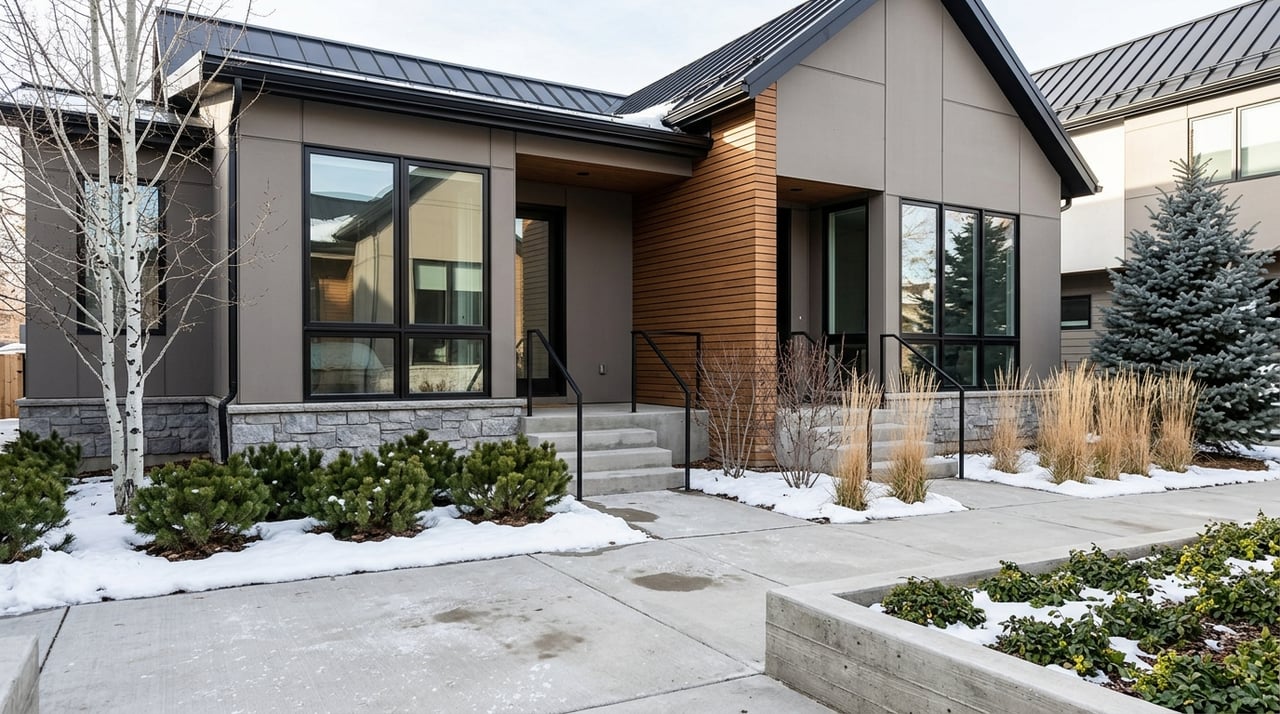
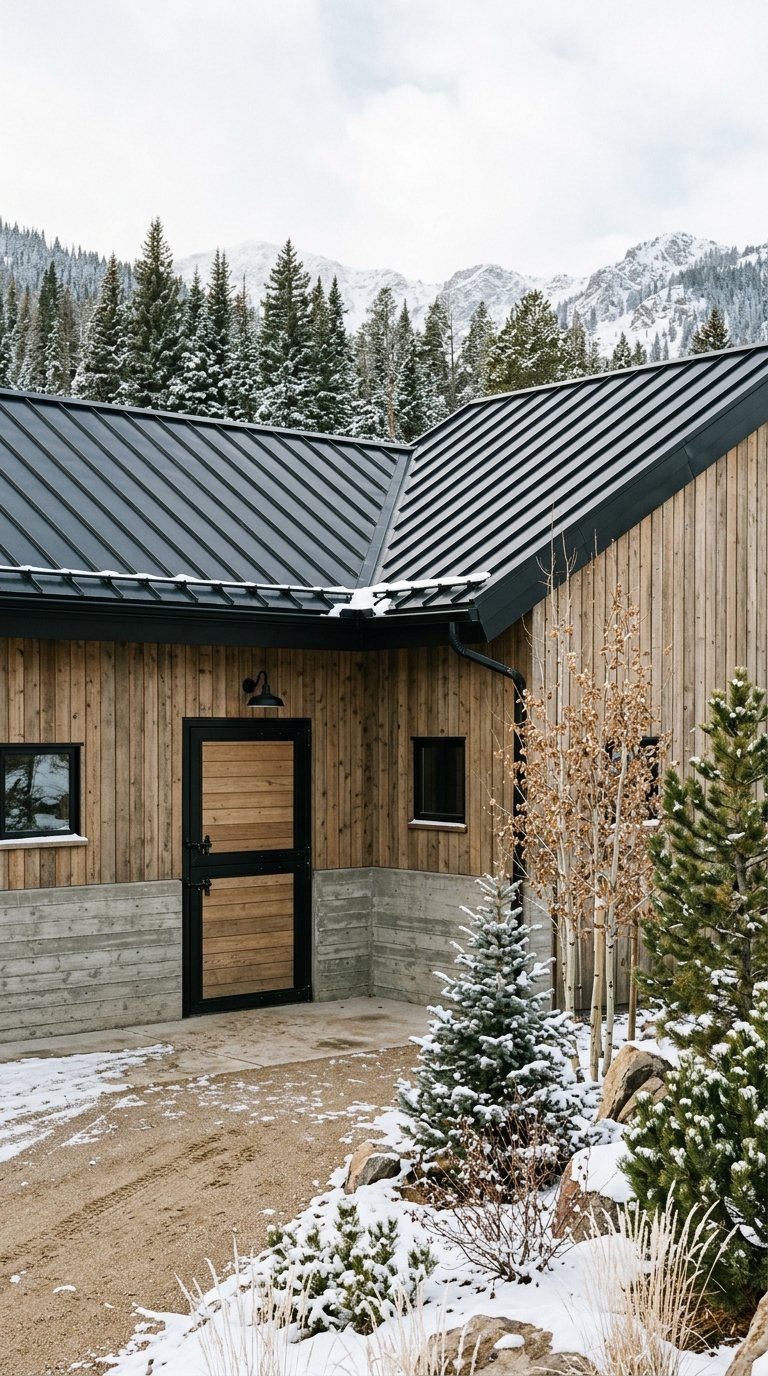
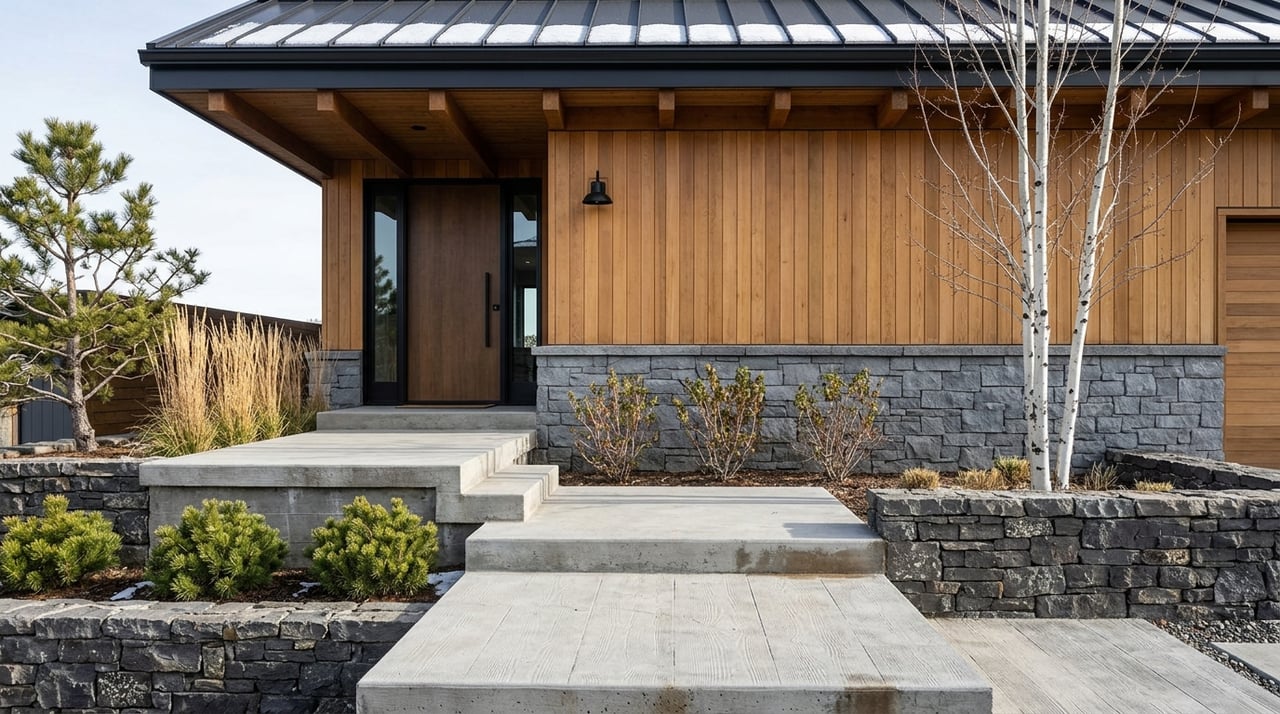
That means the best custom homes here are usually not the ones that try to overpower the setting. Instead, they tend to use lower-profile massing, stepped foundations, and forms that feel subordinate to the land. The architectural direction in Tuhaye draws from Craftsman, western Ranch House, and Mountain Contemporary influences, with broad, low-pitched roofs, natural materials, and visible structural expression.
How Lot Conditions Affect Home Design
Your lot will influence more than curb appeal. It can directly affect how large you build, how tall the home can be, how the lower level functions, and even how the home reads from the street.
Tuhaye sets a minimum gross floor area of 2,500 square feet. Maximum size scales with lot size and can reach up to 10,000 square feet on lots larger than 2 acres. Height is generally capped at 32 feet unless otherwise noted, or 30 feet on sites with more than 15% slope.
On lots with more than 8 feet of slope across the improvement envelope, the home is generally expected to appear as a one-story structure from the access road. A lower-level walk-out may still be allowed, which can be a smart way to preserve usable space while staying aligned with the community’s visual standards.
Site Work Often Drives the Budget
Many custom home buyers focus first on finishes and square footage. In Tuhaye, raw-land costs are often driven by site work instead.
A Utah-licensed engineer is required to prepare grading, drainage, and erosion-control plans. Slopes generally may not exceed 3:1, retaining walls are preferred when cut exceeds 8 feet, driveways are generally limited to 20 feet wide and a 12% grade, and utilities are underground. Lighting and address-marker placement are also controlled, so even small exterior details need to be coordinated early.
If a lot falls under Wasatch County ridgeline or viewshed rules, the process may require a 3D digital terrain model and vertical improvement-envelope analysis. That adds another layer of planning and is a good reminder that two similarly priced lots can have very different build paths.
The ARC Process Comes First
One of the biggest things buyers need to understand is that Tuhaye’s Architectural Review Committee, or ARC, is central to the build process. All architects and builders must be ARC-approved, and the ARC reviews new construction, alterations, and major site and landscape improvements.
The process begins with a pre-design conference before drawings are prepared. This early step helps align your team with the current guidelines and the realities of the site before too much time is spent on a concept that may need major changes.
What to Bring to the Pre-Design Conference
Owners are expected to bring a survey with one-foot contour intervals, tree coverage, utilities, property lines, easements, and a list of licensed professionals. This is an important working meeting, not just a formality.
If a preliminary submittal does not occur within six months after that conference, a supplementary conference may be required. That is one reason it helps to move from lot analysis into design work with a clear plan and the right team in place.
ARC Review Stages
Major projects typically move through these stages:
- Pre-design conference
- Preliminary design review
- Final design review
- Construction monitoring
- Final observation
That sequence matters. It is not just about getting plans approved. It is about maintaining compliance from concept through construction and final signoff.
County Permits Come After ARC Approval
In Tuhaye, community approval and county approval are separate. After final ARC approval, you still need Wasatch County permits.
The ARC requires final approval before county permit submittal, and if the county requires changes, those changes must go back to the ARC. Final ARC approval is valid for 12 months, and construction must begin within one year or the approval may be revoked. Landscaping is also expected within one summer season of occupancy, which is important to factor into your post-completion planning.
Construction Timing Requires Realistic Expectations
Even with a strong team, custom construction in a design-controlled community takes coordination. Your architect, builder, engineer, and landscape professionals all need to stay aligned with both Tuhaye requirements and county approvals.
Construction hours in Tuhaye are Monday through Friday from 7 a.m. to 6 p.m. and Saturday from 8 a.m. to 6 p.m., with no Sunday work. Meaningful construction stoppages of 60 days or more can trigger nuisance or noncompliance enforcement, so delays are not just inconvenient. They can create compliance issues too.
Owner-builder projects may be possible on a case-by-case basis, but they require builder certification. For most buyers, that means choosing a qualified, ARC-approved builder early is one of the most important decisions in the process.
Design for How You Will Actually Live There
Tuhaye is part of the broader Talisker Club lifestyle, which connects Tuhaye, Empire Pass, Main Street, and The Outpost through a mandatory-membership club system. Amenities described by Talisker include golf, the Ridge Short Course, spa and fitness offerings, trails, Empire Pass ski access, Main Street dining, and backcountry experiences at The Outpost.
That matters because your floor plan should support the way you expect to use the home year-round. If you picture frequent ski trips, summer golf weekends, or multi-generational stays, those patterns should shape decisions like mudroom size, gear storage, guest separation, outdoor living, and lower-level layout.
Move-In Is a Staged Handoff
In Tuhaye, move-in is not one single milestone. It is the end of a sequence that usually includes lot analysis, ARC review, county permitting, construction observations, final signoff, and then occupancy.
When you view the process that way, your choices get clearer. Budgeting becomes more realistic, design decisions become more intentional, and your timeline has a better chance of staying on track. The smoothest custom builds usually come from buyers who treat the project as both a design exercise and a project-management exercise from the beginning.
Ownership Continues After Completion
Your planning should also account for ongoing ownership requirements. Tuhaye HOA assessments are due January 1 and cover services such as snow removal on Tuhaye roads, road maintenance, the Gate House, common area landscaping, and private security patrols.
Property upkeep also continues during and after construction. Weed abatement is mandatory for all properties, including vacant lots and homes under construction, and must be completed at least three times each year. These are not dramatic details, but they are part of what it means to own in a private, managed mountain community.
Why Local Guidance Matters in Tuhaye
Building a custom home in Tuhaye can be incredibly rewarding, but it works best when you enter the process with a clear understanding of the land, the review framework, and the lifestyle you want the home to support. A lot that looks ideal online may carry hidden design or engineering implications, while a less obvious homesite may offer a smoother build path and better long-term use.
That is where experienced local guidance can make a real difference. From evaluating lot constraints to thinking through design strategy and timing, you want a partner who understands how mountain properties come together in the real world, not just how they appear in marketing.
If you are exploring Tuhaye homesites or planning a custom build near Park City, Selling the Slopes can help you evaluate the opportunity with a practical, high-touch approach.
FAQs
What is the first step to design a custom home in Tuhaye?
- The process starts with understanding the lot and then attending a pre-design conference with the ARC before drawings are prepared.
Do you need ARC approval before Wasatch County permits in Tuhaye?
- Yes. Final ARC approval is required before county permit submittal, and any county-requested plan changes must return to the ARC.
What can affect custom home costs on a Tuhaye lot?
- Slope, grading, drainage, retaining walls, driveway design, engineering requirements, and visibility or ridgeline constraints can all affect costs.
Are there size and height limits for custom homes in Tuhaye?
- Yes. The guidelines set a 2,500-square-foot minimum, lot-based maximum sizes, and general height caps of 32 feet or 30 feet on steeper sites.
Can you choose any architect or builder for a Tuhaye custom home?
- No. Architects and builders must be ARC-approved for work in Tuhaye.
What happens after construction is complete in Tuhaye?
- The project moves through final observation and signoff before occupancy, and landscaping is expected within one summer season of occupancy.