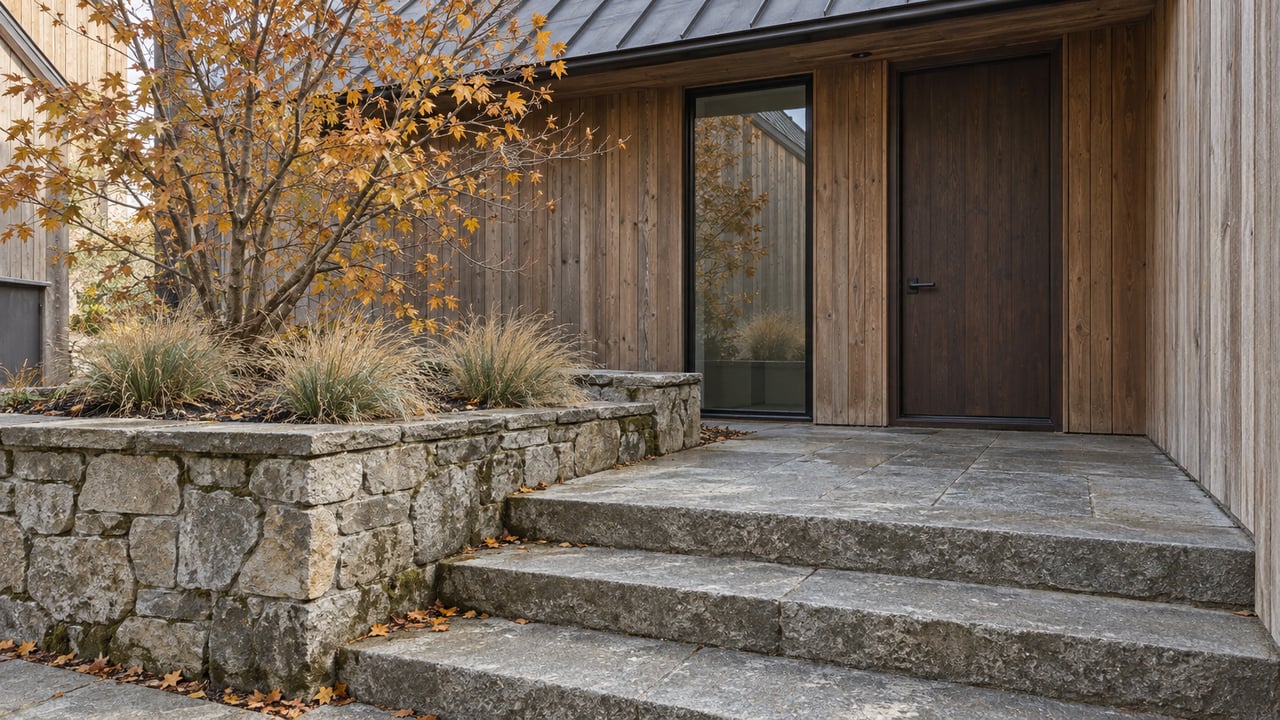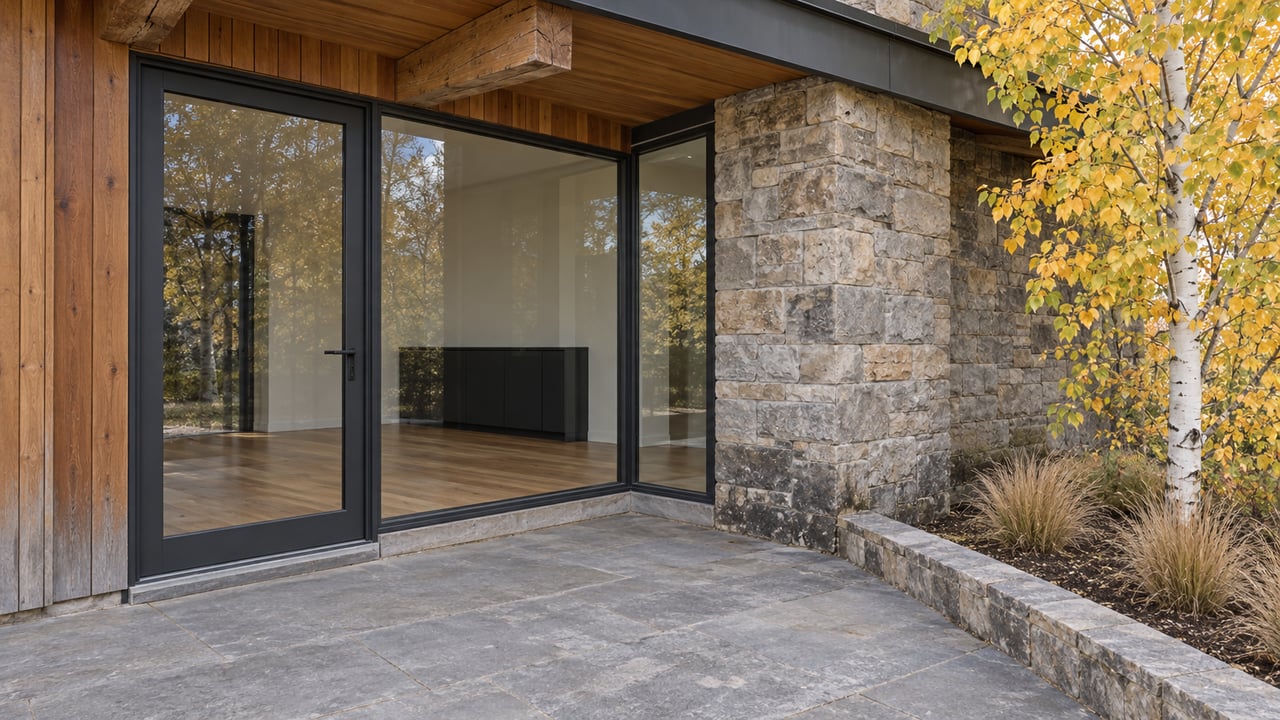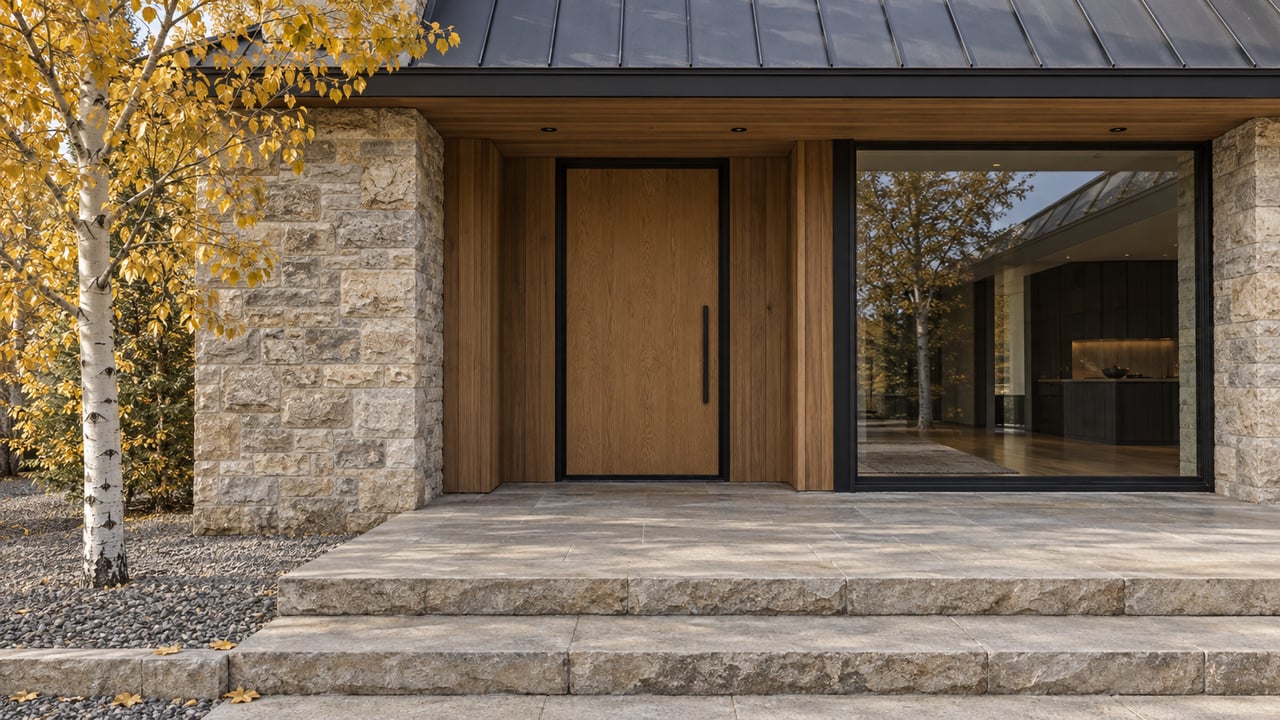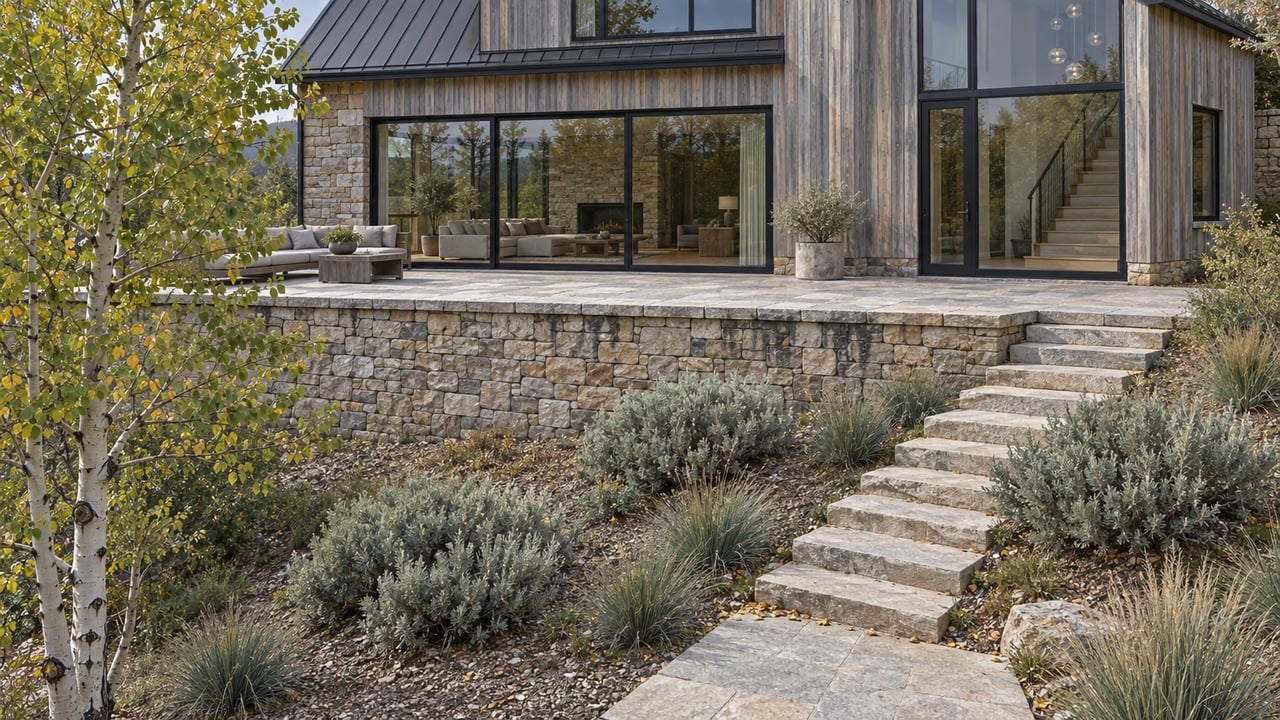
Selling an estate on Old Ranch Road is not like listing a typical home. Buyers here care as much about water rights, trail access, and barn safety as they do about finishes and views. If you prepare the land and paperwork with the same care you give the home, you can capture a real premium. This guide shows you how to present, document, and price your 84098 property so serious buyers move fast and pay strong. Let’s dive in.
Why Old Ranch Road buyers pay a premium
Old Ranch Road sits in a rare pocket of acreage near Park City with privacy, views, and proximity to trails. Supply of comparable estates is tight, which supports premium pricing when properties show well and have clean documentation. Local market summaries highlight persistent demand for luxury and acreage, so presentation and verified details often make a measurable difference in offers. You can cite the Board of REALTORS when you discuss timing and pricing since their reports show a resort luxury market with scarce buildable lots and trophy demand (Park City Board of REALTORS market statistics).
Buyers also assign value to nearby open space and trail networks. If you have legal trail access or adjacency to maintained routes, note it in your materials and show it visually. Park City tracks trail and open space projects that matter to equestrian and outdoor buyers (Park City Trails & Open Space).
Confirm jurisdiction and permits
Start with one question: Is your parcel in unincorporated Snyderville Basin or inside Park City limits. The answer sets the rules for permits, ADUs, barns, vegetation work, and utilities. Snyderville Basin is governed by Summit County’s Development Code Title 10, while Park City has its own code. Review the correct planning district and code before you change the land or market unpermitted structures (Summit County Development Codes, Summit County General Plans).
Document what is on the property. Gather building permits for barns and outbuildings, any records for a guest house or ADU, septic permits, and variances. If something was built without permits, speak with planning about options. Buyers discount risk, so showing a path to compliance can protect value.
Prove water rights and irrigation
In Utah, land ownership and water rights are separate. Serious acreage and equestrian buyers will request proof of your irrigation or watering entitlement. Pull your records with the Utah Division of Water Rights and confirm the right number, point of diversion, beneficial use, and status. The state’s database is the source of truth for buyers and appraisers (Utah Division of Water Rights).
If water rights will transfer with your sale, plan for the Report of Conveyance. The Division provides ROC forms and rules, and title will expect the correct paperwork at or before closing. Having deeds, share statements, and ROC documents ready improves buyer confidence and reduces friction (Report of Conveyance guidance and forms).
Verify utilities and waste systems
A clear answer on utilities is a value driver. Confirm whether you are on municipal water and sewer or a private well and septic. Park City Public Utilities can help you verify service boundaries and capacity. If you are on private systems, provide recent well yield and water quality tests, plus a septic inspection and pumping record. Buyers view public utility availability as a positive, yet good documentation on private systems also eases concerns (Park City Public Utilities).
Elevate land, pastures, and fencing
First impressions on acreage start at the gate. Grade the approach, refresh entry signage, and open sightlines to key views while respecting local vegetation rules. Clean up derelict sheds, debris, or old panels. A tidy, functional approach reads as well cared for and move-in ready.
Show buyers how the land works. Many equestrian references suggest a baseline of about 1 to 2 acres of well-managed pasture per horse, though forage quality, climate, and management change the number. Explain your stocking approach, rotation plan, and where you place sacrifice or dry lots to protect pasture health (Rutgers Equine Science Center guidance).
Inspect fencing and water. Repair loose rails and gate hardware, check post spacing, and confirm trailer access. Test frost-proof hydrants or automatic troughs. If you have a recent soil test or seeding plan, include it in your packet. These small steps reduce buyer objections and show day-to-day usability.
Ready barns, arenas, and outbuildings
Barns should be safe, ventilated, and orderly. Walk through with a safety checklist: electrical in conduit, working GFI outlets, dry and well-lit aisles, smooth stall latches, and proper drainage away from structures. Organize tack rooms and feed storage. Remove clutter and present a clear flow from stalls to turnout.
If you have an arena, document footing and maintenance. Buyers will ask about base, drainage, and watering. For covered or indoor facilities, keep records of permits and professional evaluations if you have them.
Clarify the status of any guest house or ADU. Rules differ between Summit County Title 10 and Park City’s code, so include past permits or evidence of legal nonconforming status where applicable. Unpermitted structures can reduce value and slow closings, so naming the status upfront helps both sides manage risk (Summit County Development Codes).
Plan for manure management and environmental best practices
Buyers and local regulators look for a clean, clear plan. Designate a manure storage area away from wells and streams. If possible, use a covered bay or a simple two to three bin compost system that you can explain in minutes. Extension resources outline straightforward best practices that keep mud down, reduce runoff, and improve pasture health. Including a one-page summary in your packet can become a selling point for equestrian buyers (Oregon State University Extension manure and pasture BMPs).
Plan for wildfire, lighting, and trails
Create defensible space around buildings and show your checklist during showings. Replace bright, exposed fixtures with shielded, low-glare lights that align with local dark-sky goals. If you are near trailheads or easements, map your legal access and include it in your marketing. Park City’s Trails and Open Space resources can help you speak clearly about nearby networks and stewardship values buyers appreciate (Park City Trails & Open Space).
Nail pricing and appraisal support
Unique estates demand a thoughtful valuation strategy. Appraisers lean on the sales comparison approach yet must make larger adjustments for acreage, water rights, permitted equine facilities, views, and trail proximity. Help them by preparing a packet with water-right evidence, permits, utility confirmations, maintenance logs, and a feature sheet. For specialized elements, appraisers may reference cost approaches or consult experts, so your documentation keeps the narrative clear (Uniform appraisal standards overview).
Because comparable sales are limited, consider a pre-listing opinion from an appraiser familiar with rural and equestrian properties. Time your launch around local demand patterns and use Board of REALTORS statistics to frame expectations in 84098. Well-prepared, well-documented properties in low-inventory segments often achieve stronger results when buyers can verify claims on the spot (Park City Board of REALTORS market statistics).
Pre-listing checklist for Old Ranch Road
Use this list to focus on the items that move price and reduce risk:
- Confirm jurisdiction and zoning. Identify whether you are in Snyderville Basin under Summit County Title 10 or inside Park City limits. Pull your parcel map and zoning summary with planning staff support (Summit County General Plans).
- Pull your water-rights record. Verify the right number, point of diversion, and status with the state database. If rights will transfer, prepare ROC materials and gather share statements or deeds (Utah Division of Water Rights, Report of Conveyance guidance and forms).
- Verify utilities early. Confirm public water and sewer availability with Park City Public Utilities. If you are on well and septic, schedule current tests and inspections (Park City Public Utilities).
- Collect permits and reports. Assemble building permits for barns, ADUs or guest houses, septic permits, and any variances or conditional use approvals (Summit County Development Codes).
- Prepare equine documentation. Outline pasture rotation, stocking plans, and manure handling. Include a simple equipment list and any service contacts for vet and farrier support (Rutgers Equine Science Center guidance).
- Complete targeted property prep. Repair fencing and gates, refresh driveways, remove debris, and highlight usable acreage and view corridors while following local vegetation rules.
- Build a due diligence packet. Include title and deed, water-right documents, utility contacts, well and septic results, permits, any HOA or CC&R documents, and any recent inspections or appraisals. Utah practice expects disclosure of known material defects, so stay thorough and timely.
- Schedule marketing assets. Book professional drone and daylight photography, plus twilight exteriors that respect dark-sky guidance. Create a feature sheet with acreage breakdown, water rights, trail access, permitted horse capacity, and ADU status.
Marketing that attracts premium buyers
High-net-worth buyers want to see how the property lives, not just read a spec sheet. Use aerial video to show the full envelope of your acreage, the approach, and how barns, paddocks, and the residence connect. Capture wide-angle barn interiors and paddocks in clean daylight. Include a simple “how it works” diagram for feeding, turnout, and hay or bedding delivery to help buyers picture daily flow.
Lean into trail and open space proximity. A clear map with legal access notes moves this from an idea to a real amenity. Show nearby recreation in the same visual language as your property so the lifestyle story feels complete.
How we help you win on Old Ranch Road
You get one chance to launch an Old Ranch Road estate well. Our team brings a structured valuation process, white-glove preparation, and video-first storytelling that attracts out-of-area luxury buyers. We coordinate water-right verification, permitting checks, and a polished due diligence packet so buyers can say yes with confidence. When you are ready to sell, we pair local expertise with Christie’s reach to maximize your price and timeline.
Ready to talk strategy for your 84098 estate. Connect with the team at Selling the Slopes to plan your listing, valuation, and marketing launch.
FAQs
What counts as proof of water rights in Utah for an Old Ranch Road sale
- Provide the state water-right number, current status, point of diversion and beneficial use from the Division of Water Rights, plus any share certificates and the prepared Report of Conveyance if rights will transfer.
How many horses can my 84098 acreage support without overgrazing
- A common planning baseline is about 1 to 2 acres of well-managed pasture per horse, adjusted for forage quality, climate, and your rotation plan, which you should document for buyers.
Do I need permits for my existing guest house or barn in Snyderville Basin
- Yes, buyers expect proof of permits or legal nonconforming status, and Summit County Title 10 governs ADUs and barns in the Snyderville Basin while Park City has separate rules inside city limits.
Is municipal water or sewer available on Old Ranch Road or do I need a well and septic
- Availability varies by parcel, so confirm with Park City Public Utilities; if you are on private systems, share recent well yield, water quality tests, and a current septic inspection.
How should I price a unique Old Ranch Road estate with barns and water rights
- Use a local sales comparison set, prepare a detailed feature and documentation packet, and consider a pre-listing appraisal from an equestrian-savvy appraiser to support adjustments.
What goes into a Utah seller disclosure for an acreage property
- Include known material defects and key facts such as water rights status, utility details, well and septic results, permits for barns or ADUs, and any easements or restrictions that affect use.